

What Is Lemongrass + Tangerine Aromatherapy? A Guide to This Bright, Energizing Scent Blend

What Is Lemongrass and Tangerine Aromatherapy?
Lemongrass and tangerine is a scent pairing with a long record in traditional aromatherapy, drawn from two distinct plant families and two distinct traditions. Lemongrass (Cymbopogon citratus) is a tropical grass with a crisp, herbaceous citrus quality. Tangerine (Citrus reticulata) is a cold-pressed fruit oil with a bright, sweet citrus quality. Together they create a blend that is fresh without being sharp, and grounded without being heavy.
What Is Lemongrass Essential Oil?
Lemongrass (Cymbopogon citratus) is a tall, fast-growing perennial grass native to tropical regions of Asia, particularly India and Sri Lanka. The essential oil is steam-distilled from the leaves and stalks. It smells citrusy but isn't quite a citrus — there's an herbal, slightly earthy quality underneath the brightness that keeps it from reading as purely sweet.
How Has Lemongrass Been Used in Ayurveda?
In Ayurveda, lemongrass is recorded under the Sanskrit name Bhustruna and documented in the Nighantu texts, the classical Ayurvedic reference works that catalog plants by their taste, energetic quality, and traditional applications. In that system, lemongrass is classified as having a pungent, sharp, penetrating quality — tikshna in Sanskrit — and was traditionally used to support clarity and concentration alongside respiratory and digestive health. Ayurvedic practitioners have historically used lemongrass oil for fever, inflammation, and conditions associated with sluggishness or congestion in the system. (Source: The Ayurveda Experience)
How Has Lemongrass Been Used in Traditional Chinese Medicine?
In traditional Chinese medicine, lemongrass is known as Xiang Mao (香茅), a name that translates roughly as "aromatic grass for rapid enlightenment." It is classified within the category of exterior-releasing herbs and Wind-Damp dispelling herbs, and was traditionally used to freshen household air, ease headaches, reduce fever, and address what TCM describes as Wind-Damp — the heaviness that accumulates in the body and environment. Its aromatic quality was considered specifically useful for clearing the mind and the space around it. (Source: Me & Qi Herb Database)

What Is Tangerine Essential Oil?
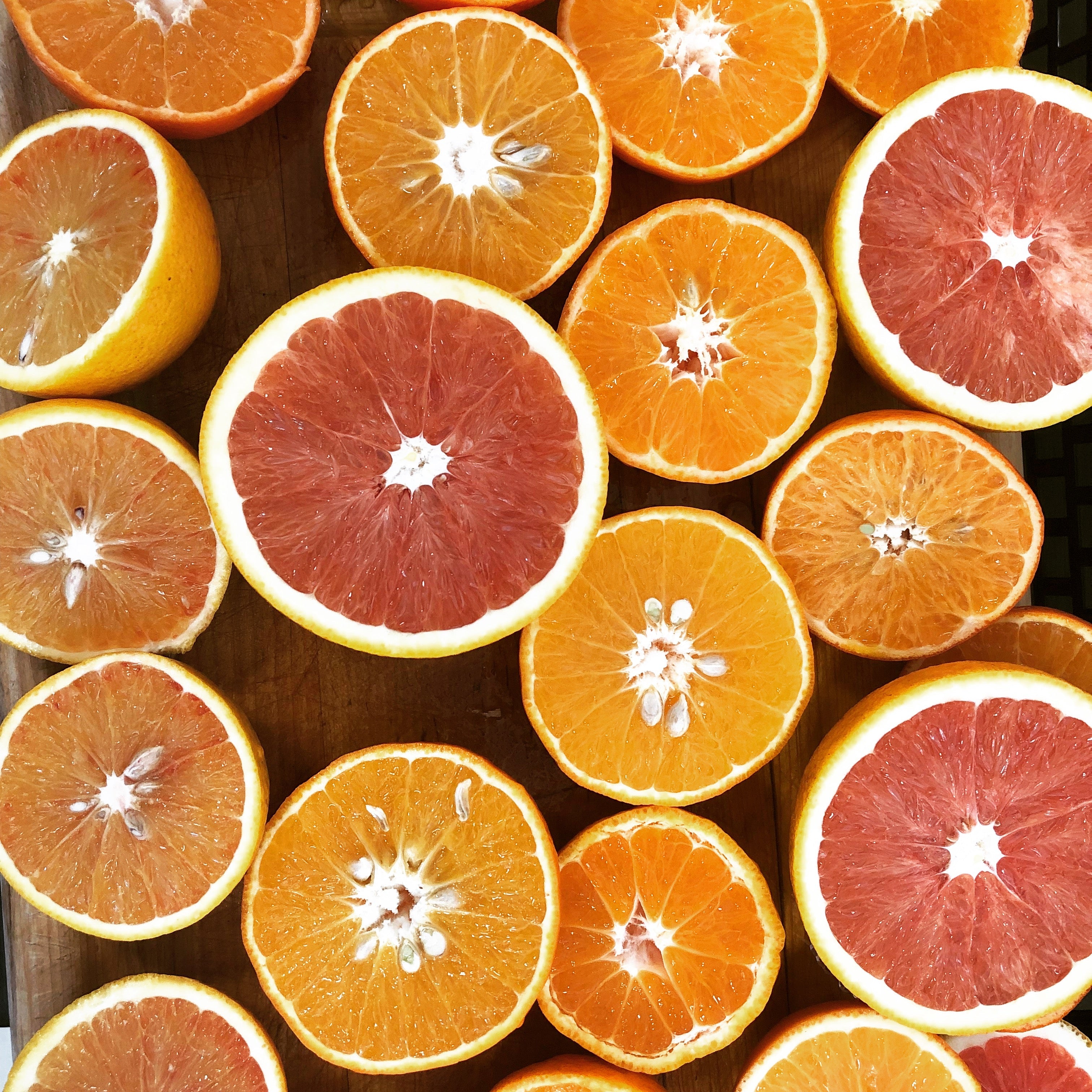
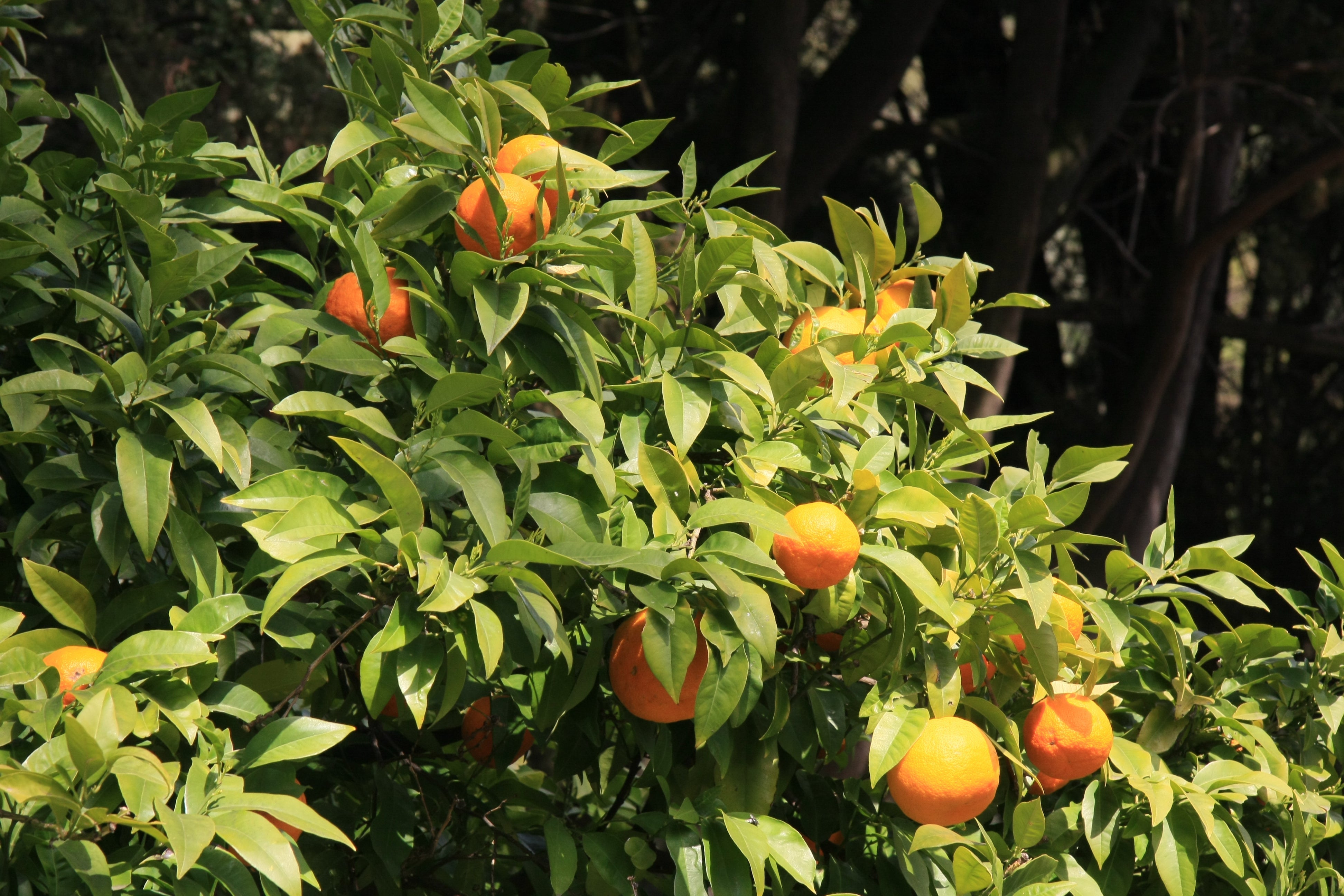
Tangerine essential oil is cold-pressed from the outer peel of the Citrus reticulata fruit. Because the oil comes directly from the peel, it smells immediately and intensely like the fruit itself: sweet, slightly tart, unmistakably citrus. It is closely related to mandarin but tends to be brighter and less floral, which makes it a strong pairing for something as herbal and assertive as lemongrass.
How Has Tangerine Been Used in Traditional Chinese Medicine?
In traditional Chinese medicine, the dried tangerine peel is known as Chen Pi (陈皮), which translates as "aged peel." It is considered a foundational herb, classified as warm, pungent, and bitter, with a particular affinity for the spleen and stomach meridians. Chen Pi has been used for centuries to regulate the flow of qi, resolve stagnation, and support digestion. Quality Chen Pi is traditionally aged over time, developing a richer aroma and deeper herbal character as it matures. (Source: Caring Sunshine / Plum Dragon Herbs)
What Is the Cultural Significance of Tangerine in China?
Beyond the formal materia medica, there is a longstanding Chinese cultural tradition of placing freshly picked tangerines around the home, particularly in spring. The fruit has historically been understood as an emotional cleanser and seasonal marker — a gesture toward lightness and renewal as the year opens up. (Source: Miracle Botanicals)
Has Tangerine Been Used in Ayurveda?
In Ayurveda, citrus fruits including tangerine are used to balance digestion, cool internal heat, and nourish the body. The formal Ayurvedic record for tangerine peel is less specific than the TCM one, but citrus as a category carries a long history across both traditions as something brightening and digestively supportive.
Why Do Lemongrass and Tangerine Work Well Together?
Lemongrass and tangerine work together because they contrast and complement at the same time. The tangerine opens the blend immediately — bright, sweet, and citrus-forward. The lemongrass arrives underneath it with its herbal edge, adding depth and pulling the blend toward something more grounded. The result is neither purely citrus nor purely herbal. It reads as fresh, clean, and alive without tipping into sharp or one-dimensional.
Both oils also share a directional quality in their traditional use: each has historically been associated with clearing, refreshing, and brightening a space or a mood. That shared character is part of why the combination holds together so well.

When Is This Scent Combination Typically Used?
The traditional use case for lemongrass and tangerine together is daytime and active hours. It is a scent that belongs in morning routines, in home offices, in kitchens and living spaces during warm months. Not because it changes anything clinically, but because the sensory experience of something bright and clean has a long-documented history of shifting the tone of a room and the people in it.
What Does It Mean to Use Essential Oils in a Candle?
In a candle, essential oils diffuse through warm air as the wax melts. This is distinct from clinical aromatherapy applications like direct inhalation or topical use. The aromatherapy traditions that lemongrass and tangerine draw from are primarily about sensory experience — how scent interacts with memory, attention, and the feeling of a space. A candle isn't a dose. It is an anchor for a moment.
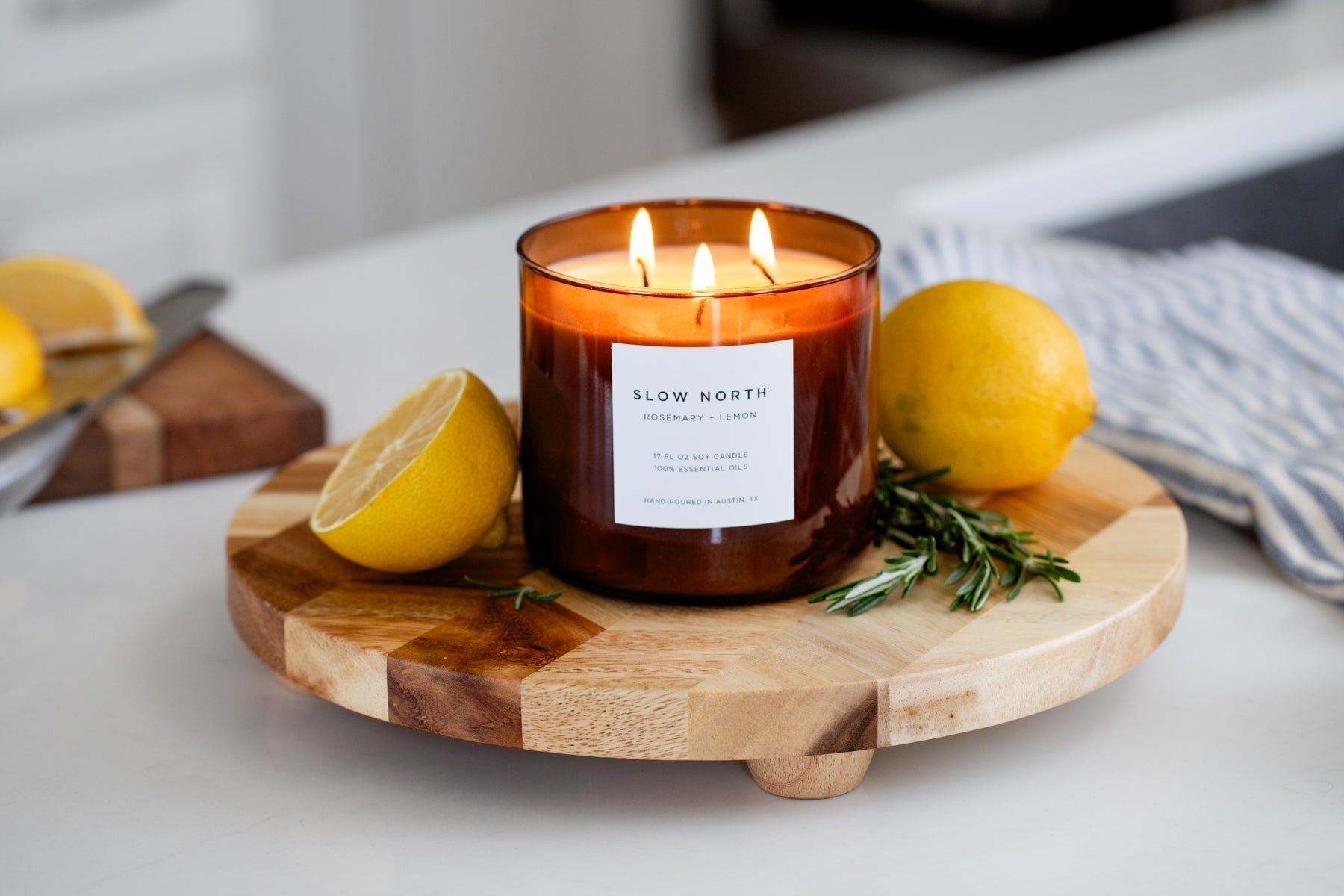
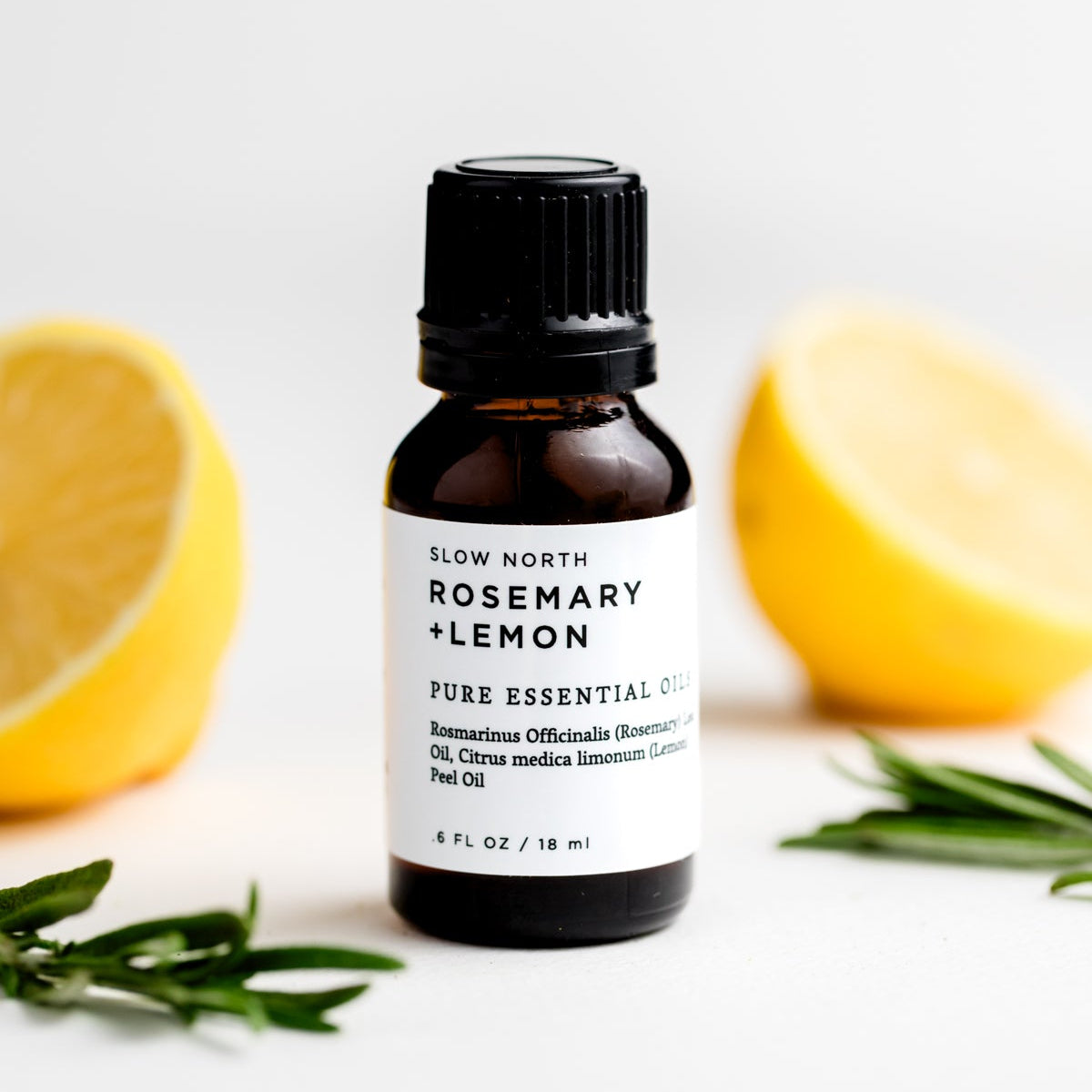
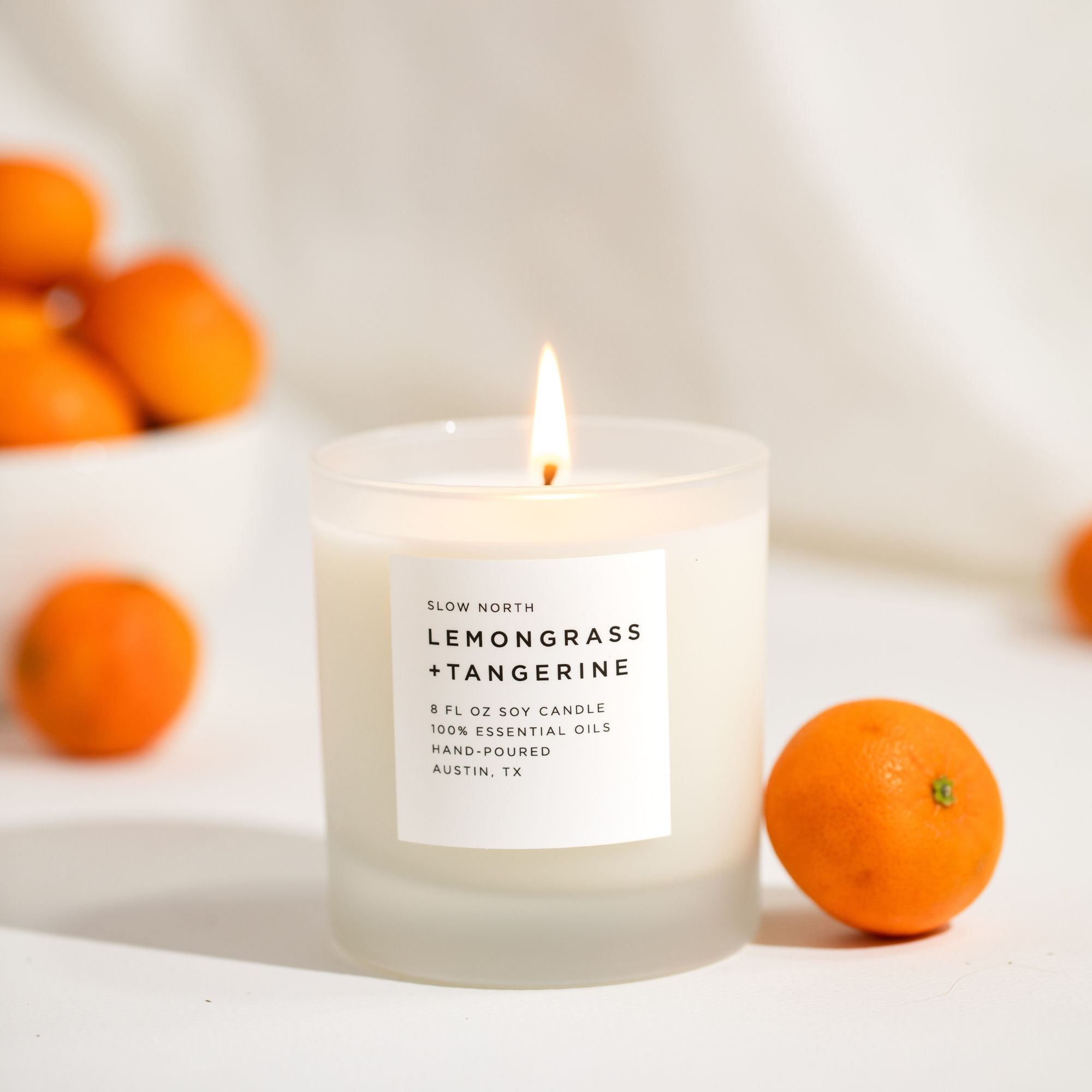
What matters in this context is whether the scent you're smelling is the actual essential oil or a synthetic compound designed to approximate it. Slow North's Lemongrass + Tangerine candle uses 100% essential oils with no synthetic fragrance. The lemongrass note is lemongrass. The tangerine note is tangerine. That distinction matters because the traditional properties associated with these oils belong to the oils themselves, not to lab-created fragrance compounds.

Shop the Lemongrass + Tangerine Candle
The Lemongrass + Tangerine signature candle is hand-poured in small batches in Austin, Texas, using 100% essential oils and soy wax. It carries a top note of zesty tangerine, a heart of crisp lemongrass, and a subtle verdant base.